

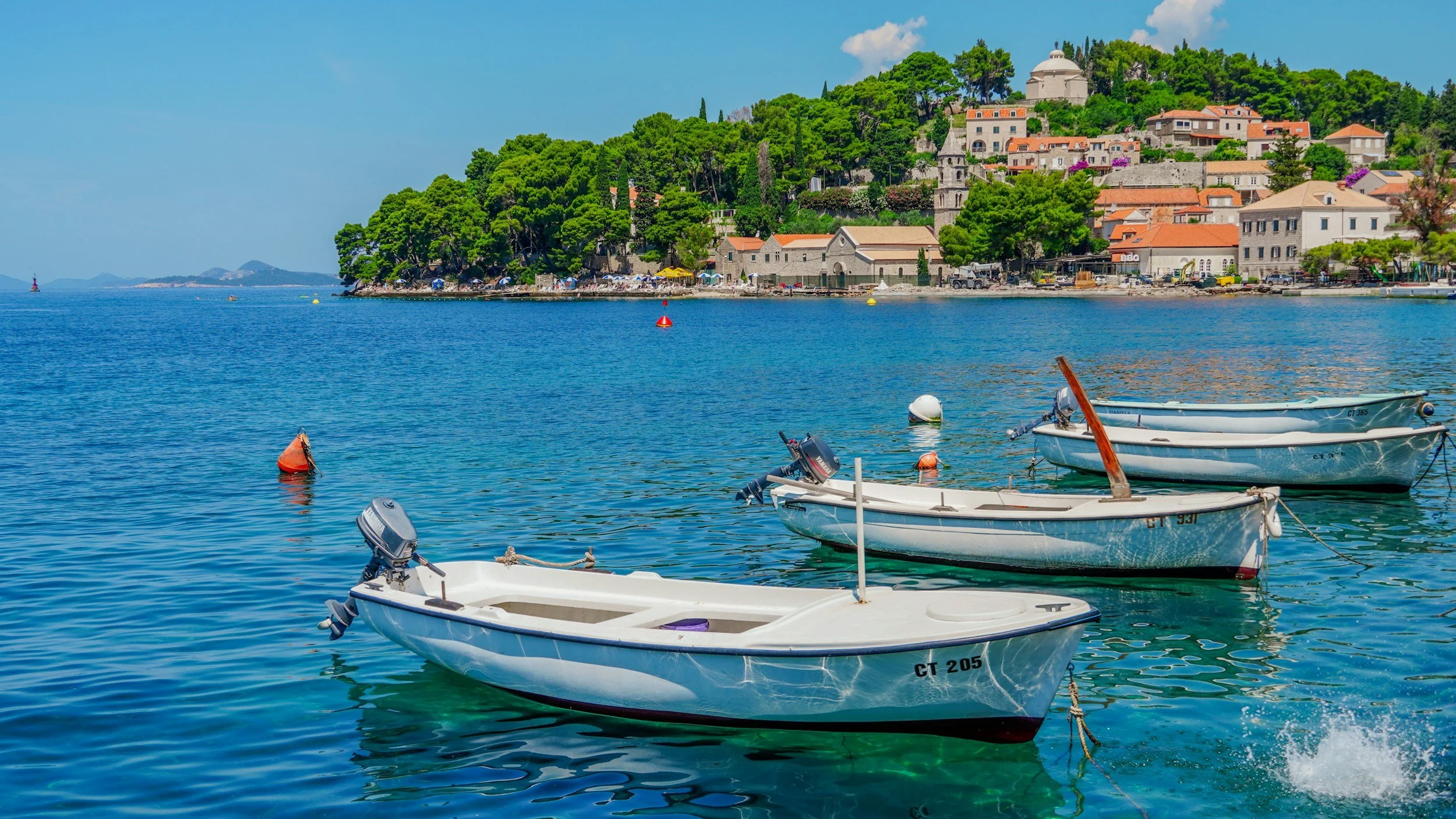
The Balkans
Adriatic islands, highland passes, and cultural crossroads between sea and mountains.
This corner of Europe has always been a frontier—where Adriatic sailors, mountain tribes, and old empires met along steep coasts and rugged inland corridors. Landscapes shift quickly: island archipelagos carved by wind and salt, limestone cliffs dropping into glass-clear water, and dramatic Balkan peaks rising behind rural stone villages. Movement feels instinctive and layered with history, whether you travel by coastal road, ferry, or shepherd path.
Days unfold between heritage towns, wild peninsulas, hidden coves, and high ridgelines where the views run from Croatia’s islands to Albania’s summits. Distances stay short, contrasts stay sharp, and the feeling is always one of discovery in a region defined by centuries of crossings and cultures.
It’s a place made for multi-adventure travel—welcoming, fluid, and naturally suited to every kind of explorer.
Trips in the Balkans
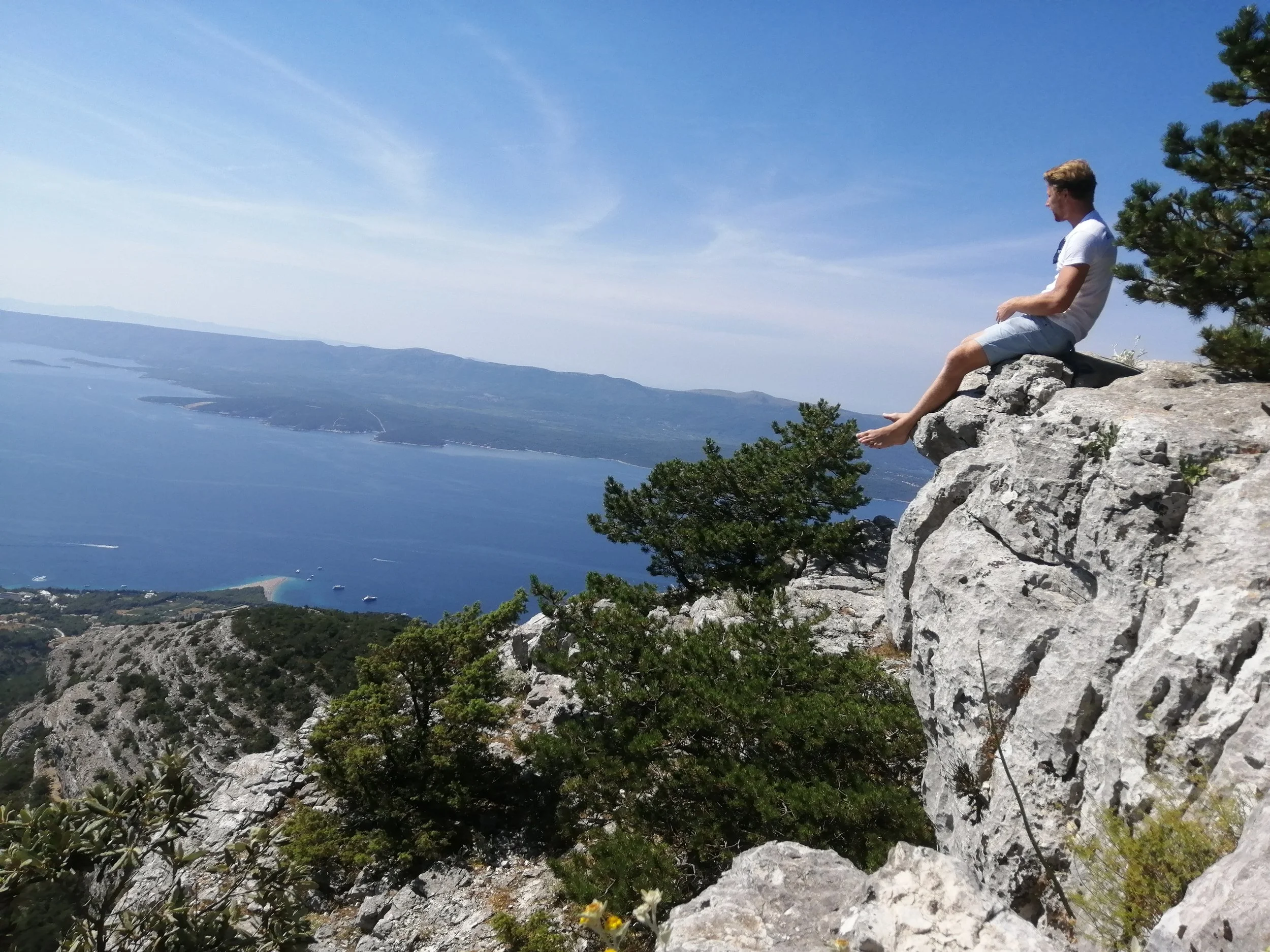
Classic Journey — Dalmatian Coast
Island horizons, coastal roads, and timeless Adriatic towns.
Launching Spring 2026
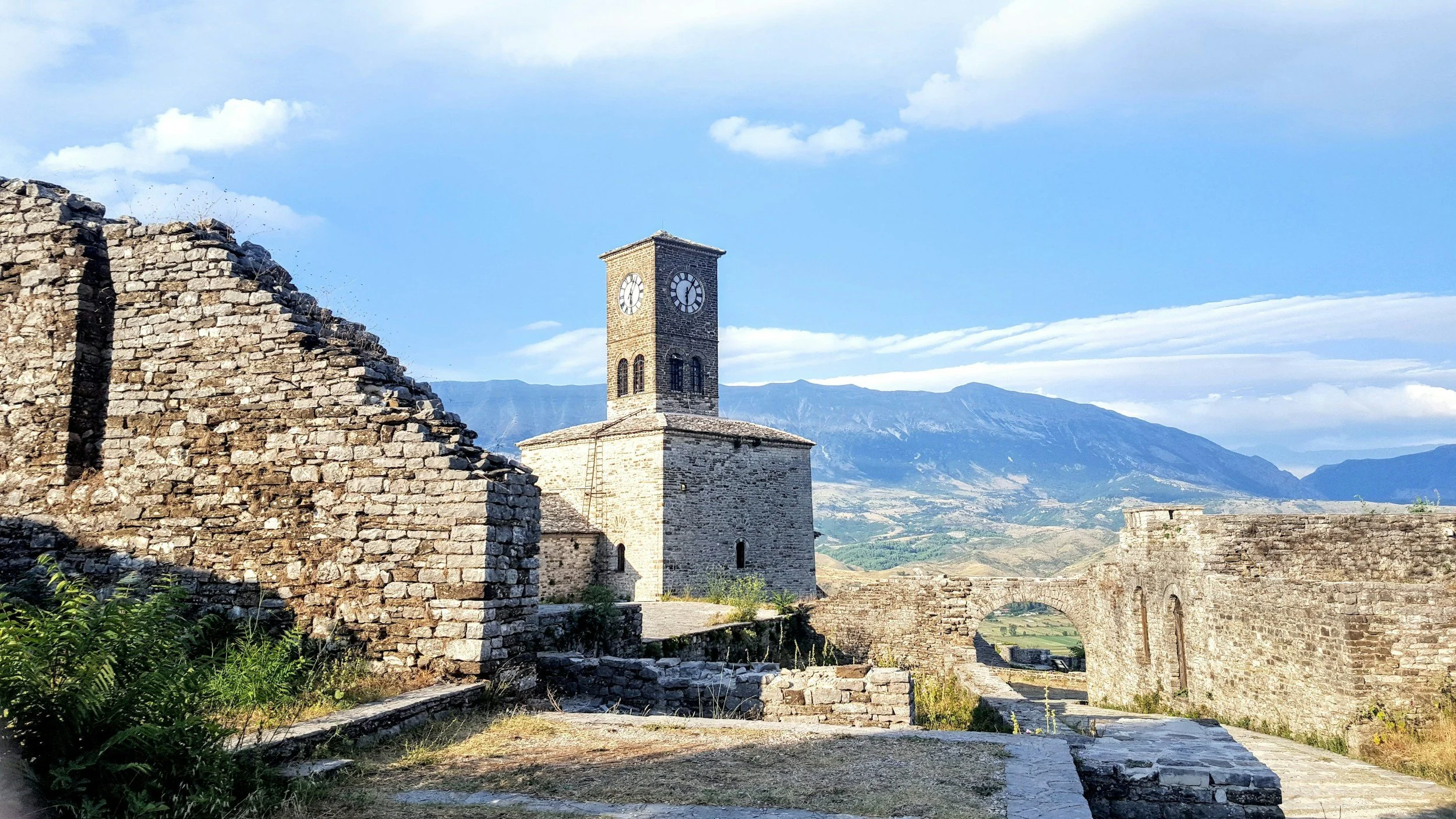
Classic Journey — Albania
Mountain valleys, bright coastlines, and landscapes shaped by tradition.
Launching Spring 2026
In-Depth Escape — Dalmatian Coast
Extend your journey into quieter islands, hidden coves, and deeper maritime culture.
Launching Spring 2026
In-Depth Escape — Albania
Extend your journey into remote highlands, deep lakes, and wilder cultural terrain.
Launching Spring 2026
FAQ
-
Depending on your itinerary, you will either arrive on the Dalmatian Coast of Croatia or in Albania.
For Croatia, the main gateway is Split Airport, with frequent connections across Europe and seasonal long-haul options.
For Albania, arrivals typically go through Tirana International Airport, which has year-round flights and smooth access to both the coast and the highlands.Your Trip Doc will outline the exact arrival airport, meeting point, and transfer arrangements tailored to your trip dates and route.
-
Late April to June and September to October offer ideal temperatures and stable conditions for multi-adventure travel.
July and August bring hotter days and lively coastal towns.
High-mountain areas are best from June to September, when snow has melted and passes are fully open. -
The Balkans offer dramatic limestone cliffs, rugged coastal shelves, high-elevation valleys, and clear Adriatic and Ionian waters. The landscape changes quickly as you travel—one moment steep island edges and karst ridges, the next deep river canyons or wide mountain basins shaped by centuries of erosion. It is a region of bold contrasts, where sea and mountains exist side by side.
Transfers vary with the geography. Many are short and direct, following scenic coastal or valley roads. On certain days, especially when accessing remote highland areas or crossing country regions, one longer transfer may be needed. We plan these segments intentionally to balance comfort, views, and overall experience.
-
Yes. The Balkans offer a wide range of landscapes and activity levels—from gentle coastal paths and village walks to more challenging mountain trails. The combination of sea, islands, and highland scenery allows us to shape each day to the group’s comfort. Town visits, cultural stops, swims, and boat crossings also provide natural flexibility.
Families, beginners, and more active travelers can comfortably travel together, and your hosts will adjust pacing, options, and route variations to keep the experience enjoyable for everyone.
-
Every journey can be shaped to your preferences. Most guests begin with one of our curated itineraries — you choose the activity level, pace, and travel style, and we tailor the flow and highlights around your group.
If you prefer a fully custom-built trip (unique routing, structure, length, or combinations), this is possible through a separate design process and pricing structure. We will clarify all options before moving forward to ensure the trip matches your vision.
Either way, we work closely with you to create an experience that reflects exactly what you’re looking for.
-
Croatia uses the euro (EUR).
Albania uses the lek (ALL), though euros are widely accepted in coastal and tourism areas. ATMs are available in cities, ports, and most larger towns.Cash is helpful in rural villages, mountain cafés, small ferries, and local markets where card terminals may be unavailable
-
Expect a mix of Mediterranean and mountain climates.
Coastal areas—especially along the Dalmatian Coast and the Albanian Riviera—tend to have warm springs, hot summers, and mild autumns cooled by sea breezes. Inland and highland regions are cooler, with fresher mornings and evenings and quicker weather changes at altitude.Light layers, sun protection, breathable clothing, and a warm mid-layer for higher elevations are recommended. Once your dates are confirmed, your Trip Doc will share a detailed packing list and seasonal expectations for your departure.
-
Along the Dalmatian Coast, English is widely spoken in hospitality, transportation, and most island communities.
In Albania, English is increasingly common among younger people and in hotels, restaurants, and tourism services. In rural highland villages it may be less prevalent, but communication still flows smoothly thanks to your hosts and local partners.Your hosts will also teach you a few simple Croatian and Albanian words to help you feel even more connected to the region.