

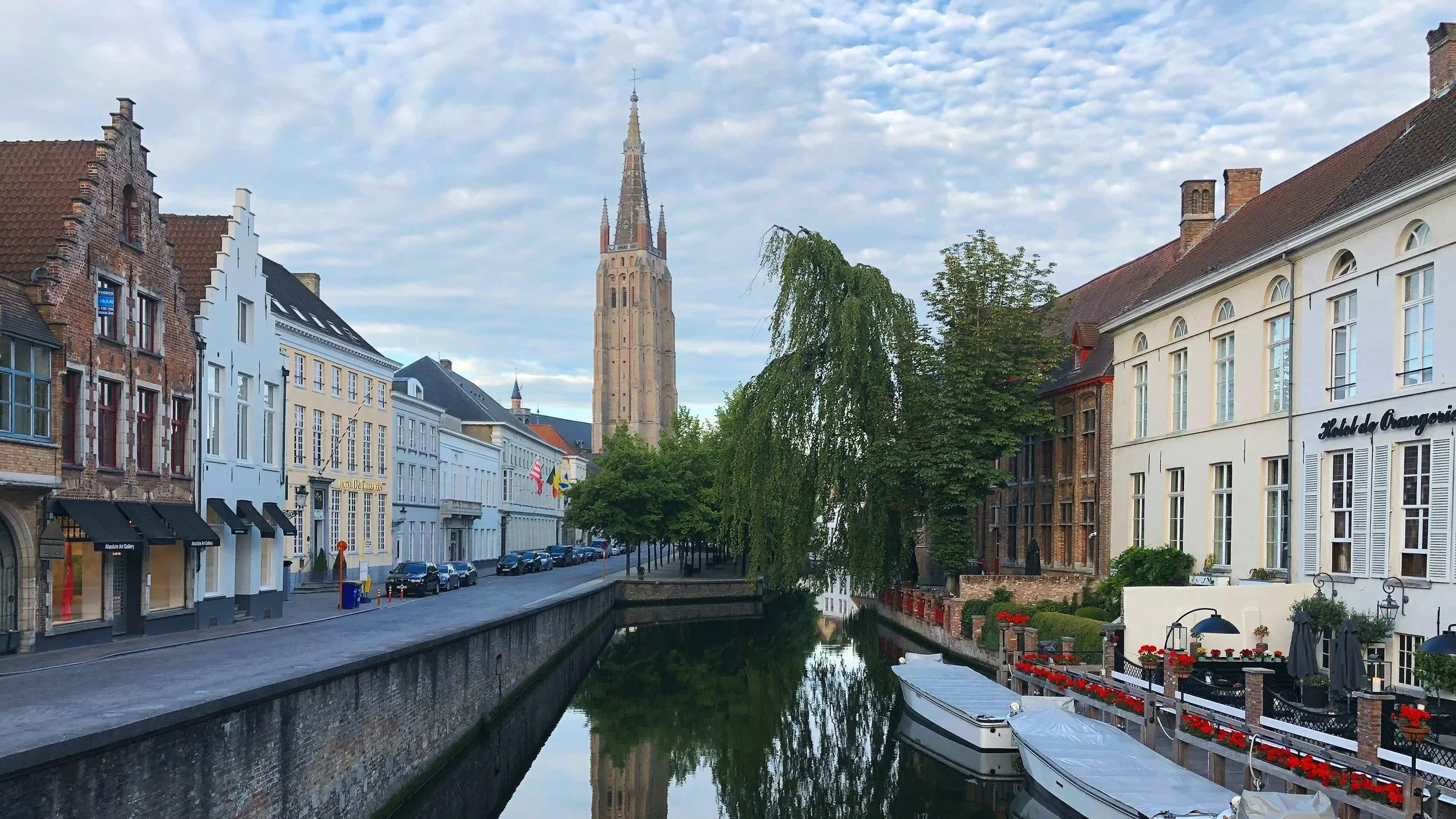
Netherlands & Belgium
From historic cities to open lowlands, moving through a tightly connected region.
Dive into Belgium, the Netherlands, or the gentle borderlands of Germany—a northern meeting point where empires, merchants, and ideas have crossed for thousands of years. Canals once used for trade now frame medieval centers, while border villages carry traces of shifting frontiers, wartime stories, and centuries of cultural exchange.
Here, days move through action and history in equal measure: bike between guild houses and old trading quays, walk quiet paths to castles overlooking former strongholds, or follow routes shaped by WWII defenses and cross-border resistance networks. Markets, museums, breweries, and riverside towns layer Flemish, Dutch, and German influences at every turn. Distances stay short, transitions are seamless, and each journey blends active exploration with the deep cultural heritage that defines this part of Europe.
Trips in Netherlands & Belgium
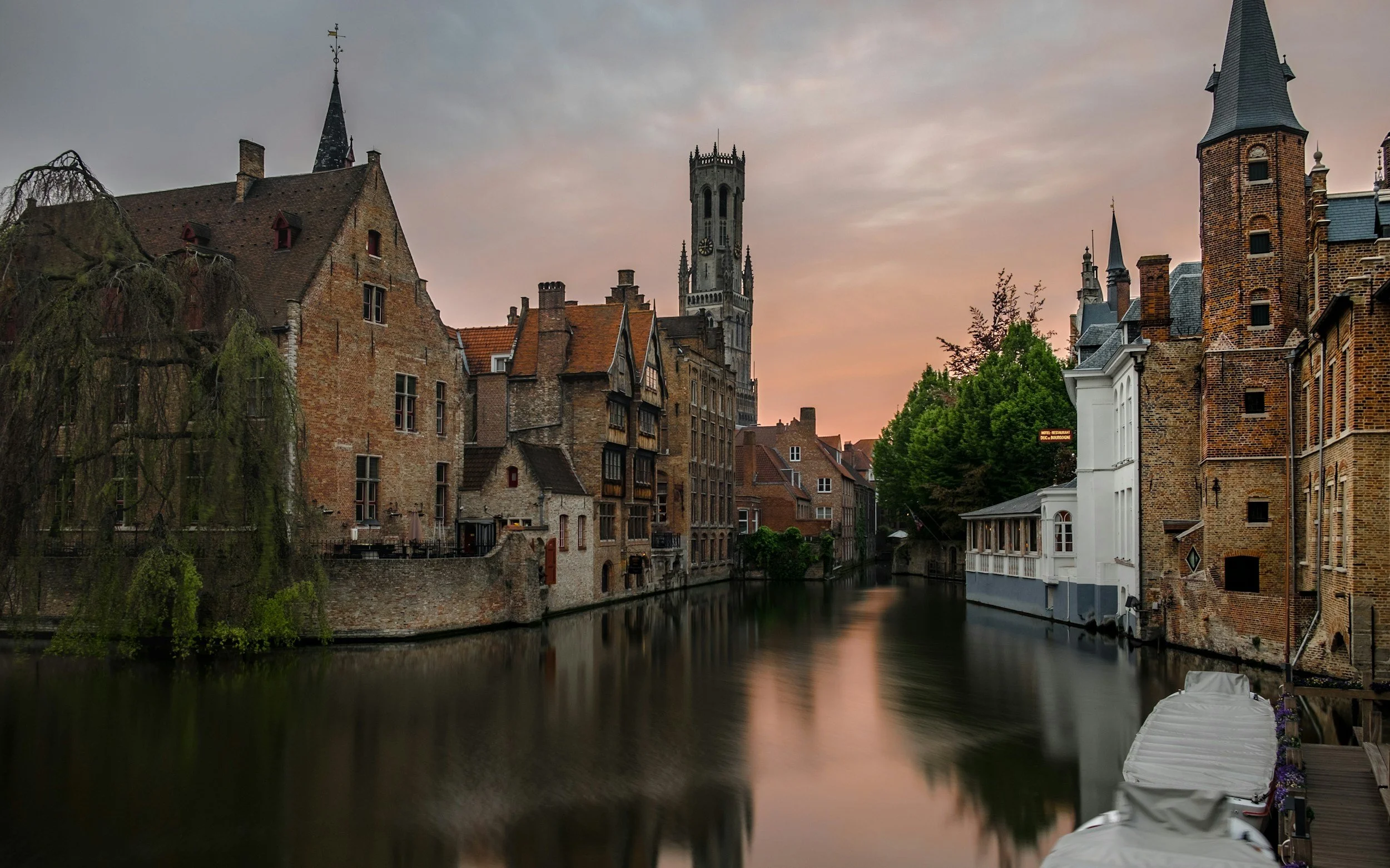
Long Weekend — Brussels to Bruges
Medieval canals, market towns, and quiet Flemish countryside.
Launching Spring 2026
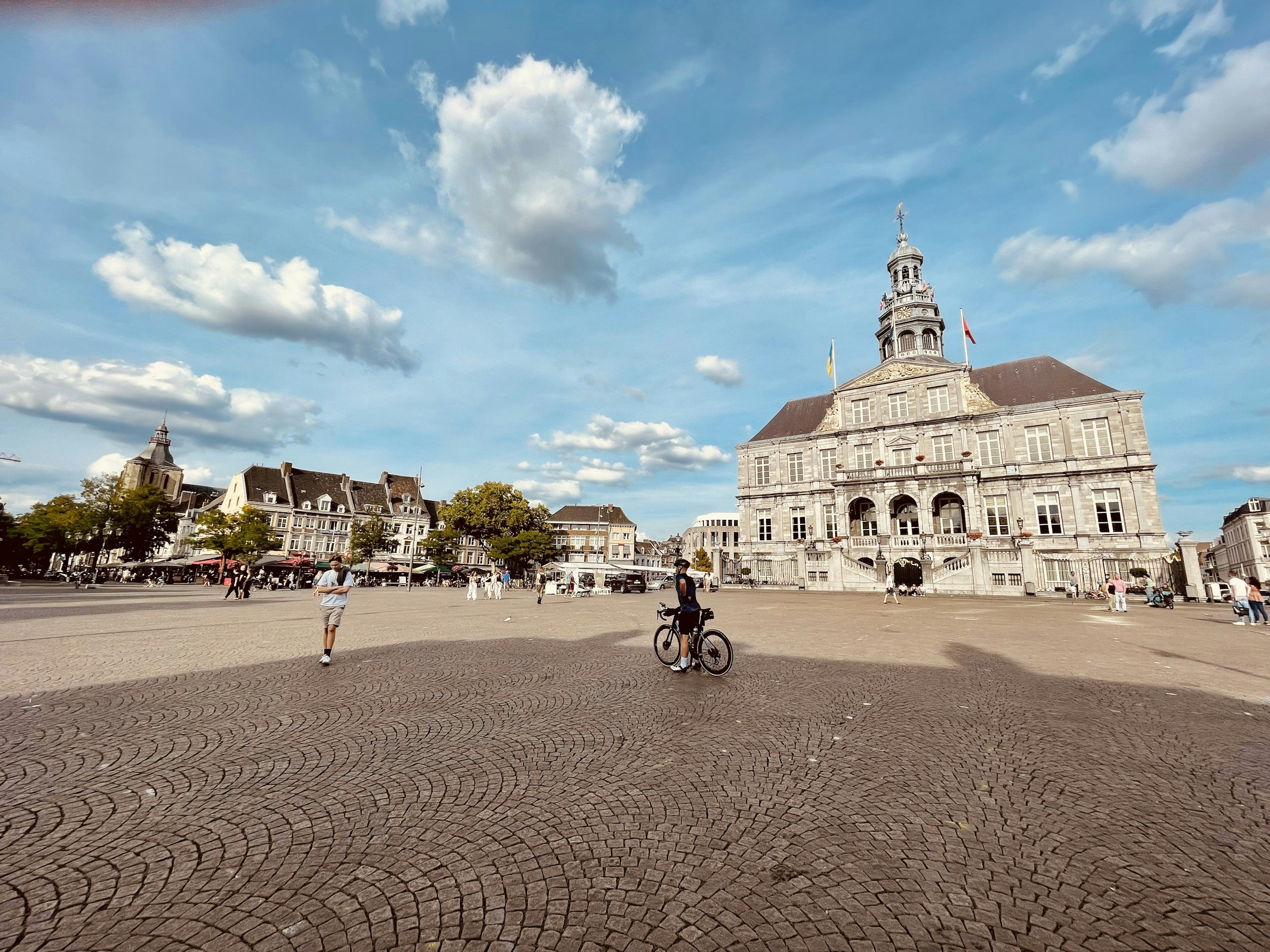
Long Weekend — Maastricht Triangle
Three-country borderlands, river valleys, and easy cross-border routes.
Launching Spring 2026
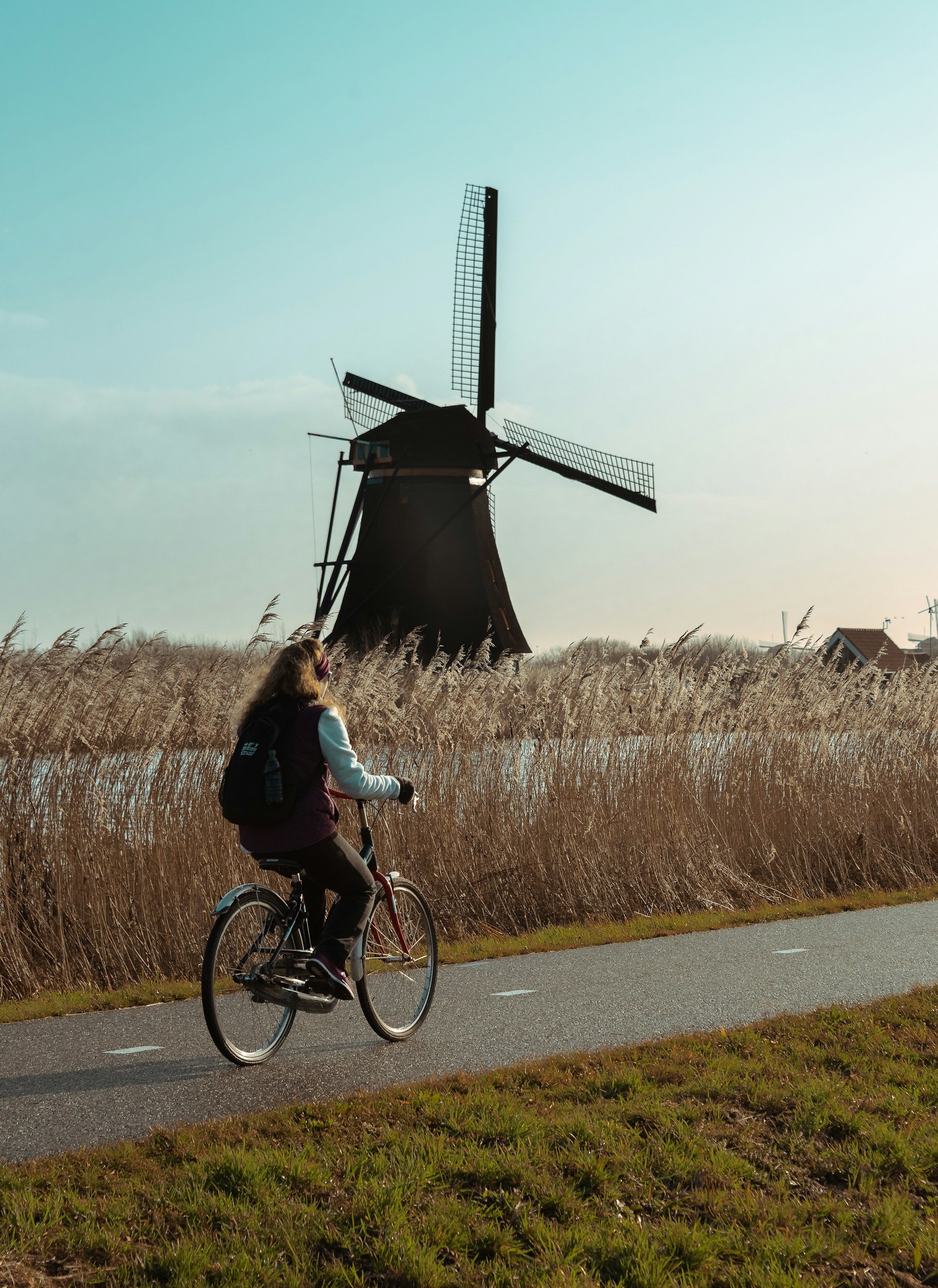
Long Weekend — Dutch Countryside
Turquoise bays, red cliffs, and coastal trails.
Launching Spring 2026
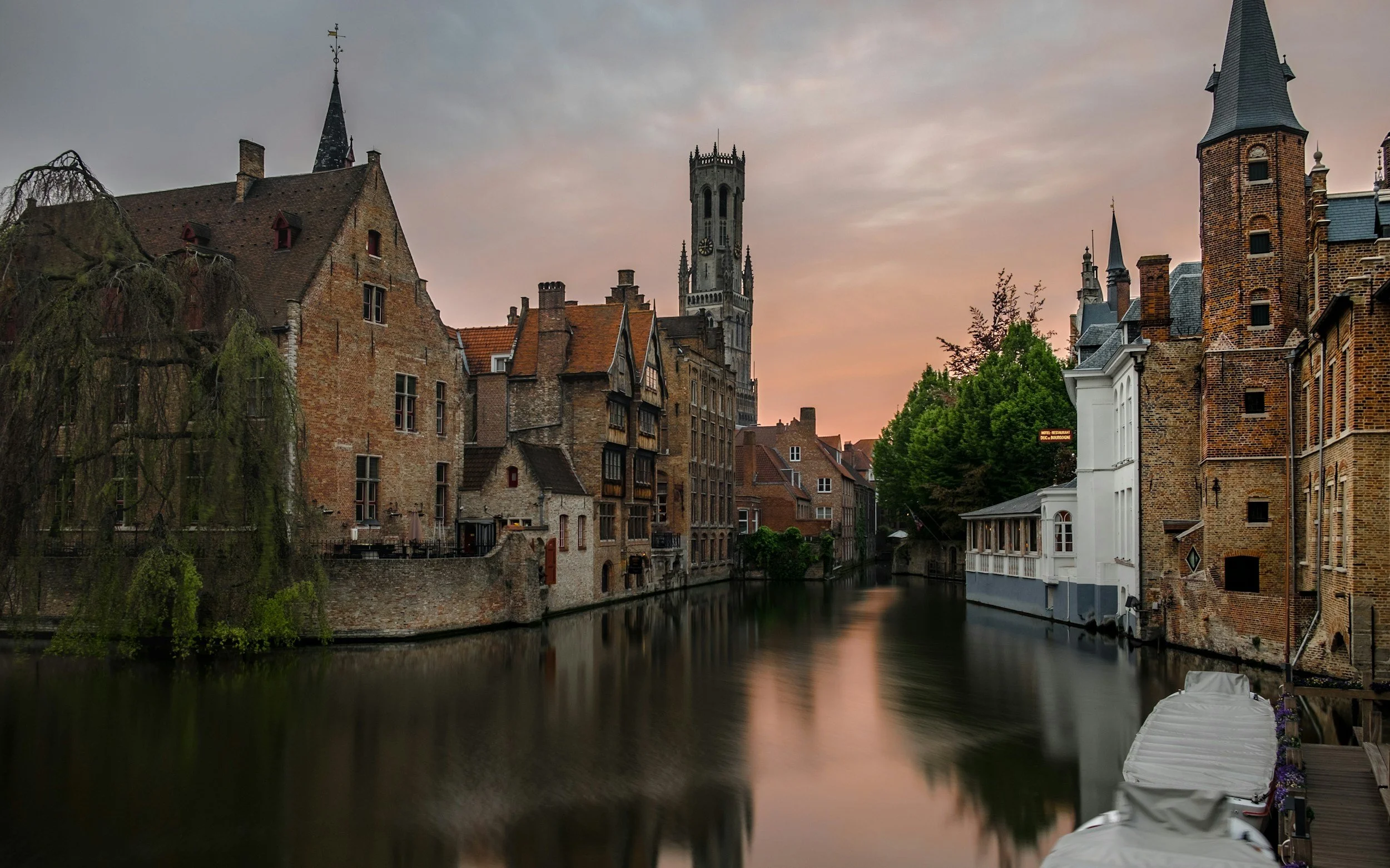
Classic Journey — Brussels to Bruges
Guild houses, local markets, heritage quarters, and canal-side routes.
Launching Spring 2026
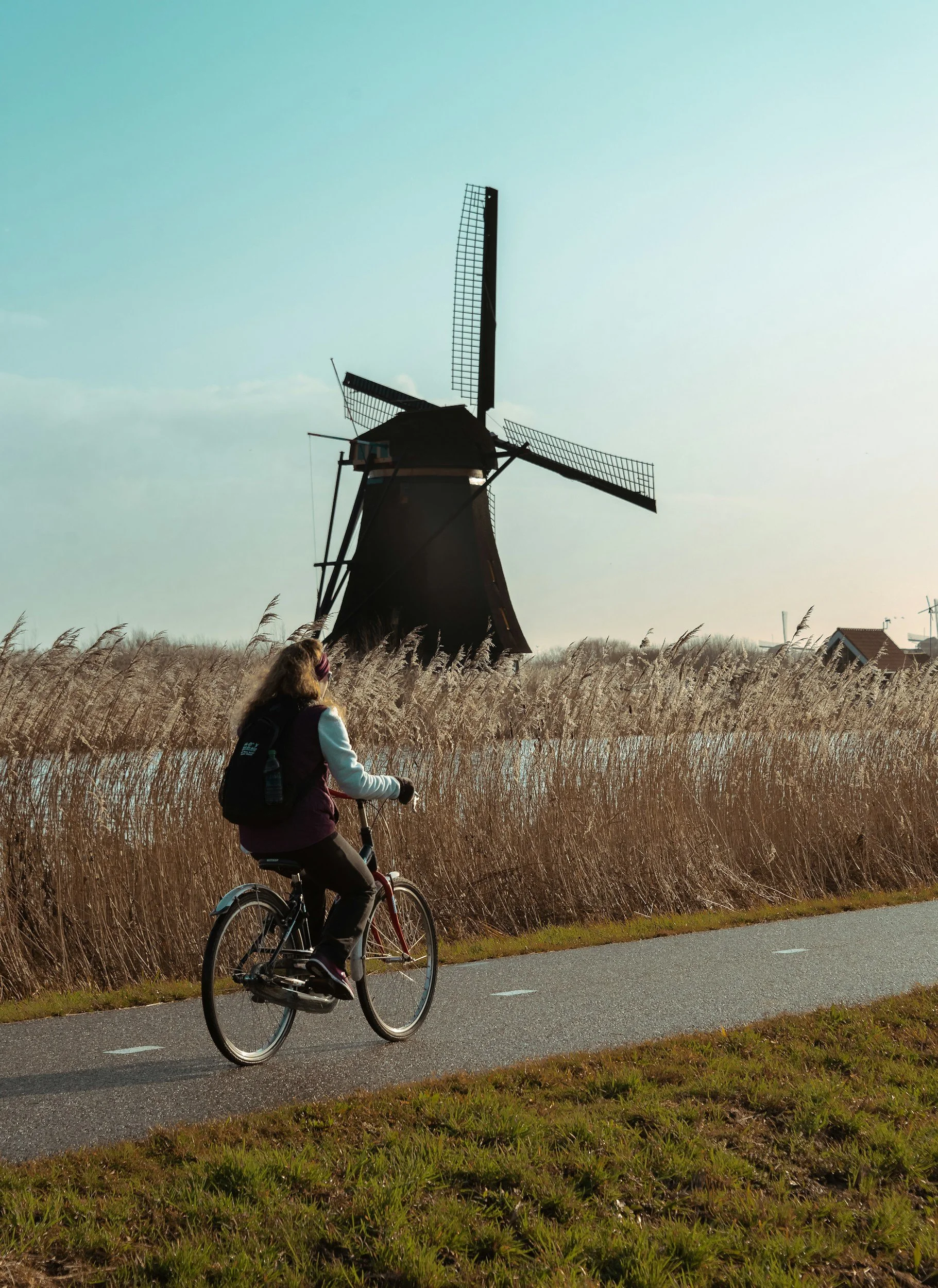
Classic Journey — Dutch Countryside
Waterways, heritage towns, coastal breezes, and pastoral trails.
Launching Spring 2026
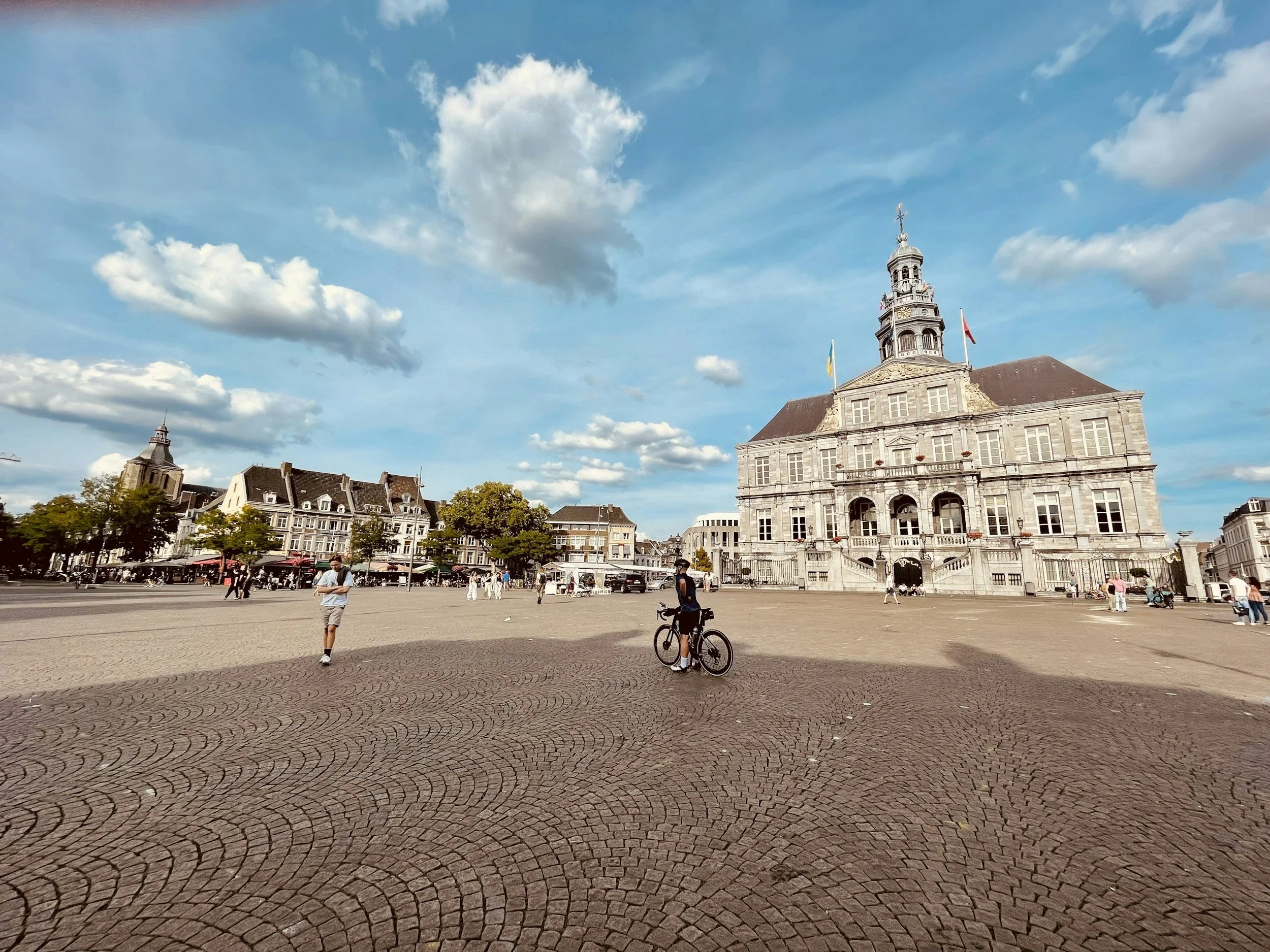
Classic Journey — Maastricht Triangle
Hilltop towns, river paths, and layered cultural heritage across the borderlands.
Launching Spring 2026
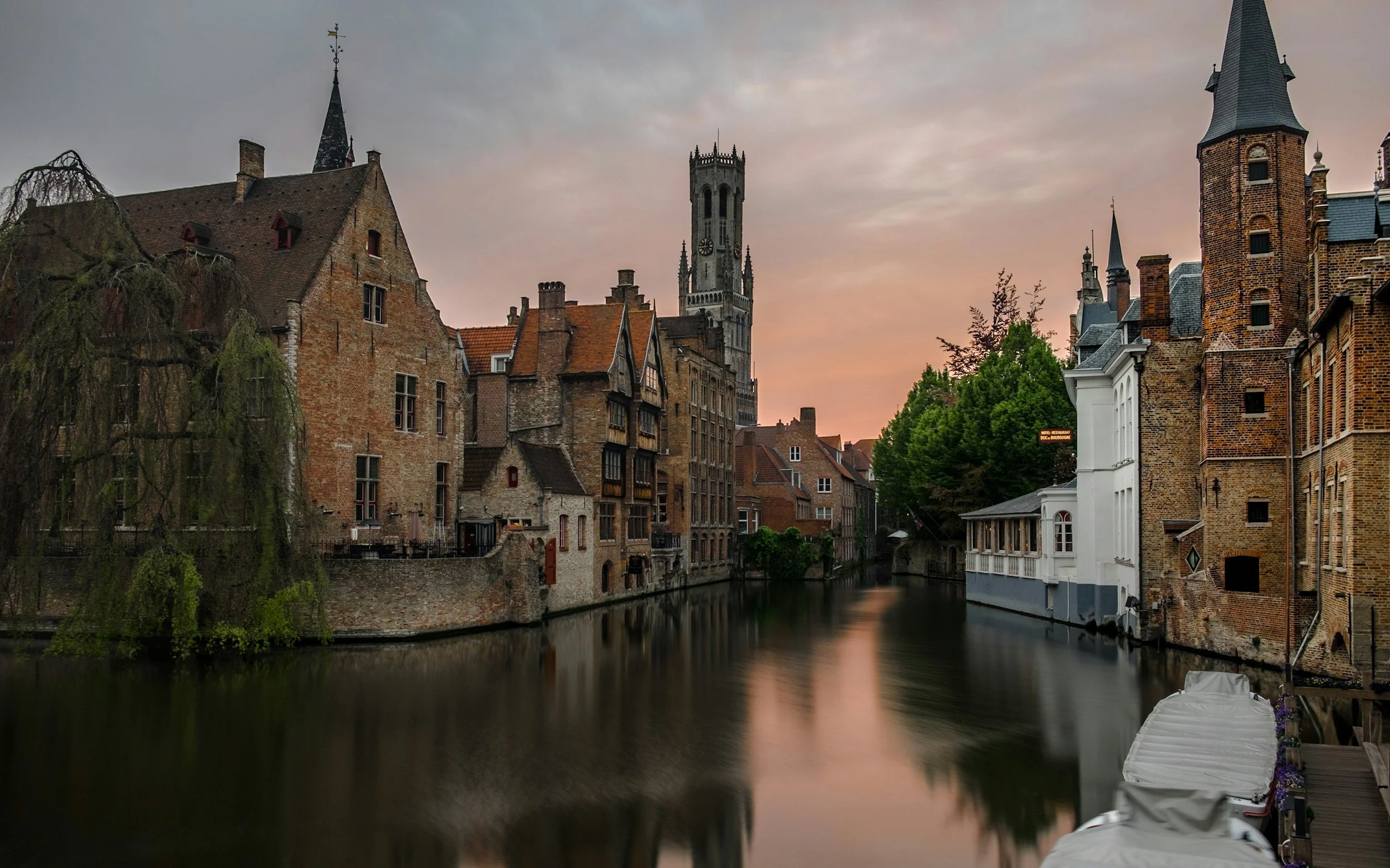
In-Depth Escape — Brussels to Bruges
Extend your journey into quieter village lanes, hidden waterways, and deeper Flemish cultural routes.
Launching Spring 2026
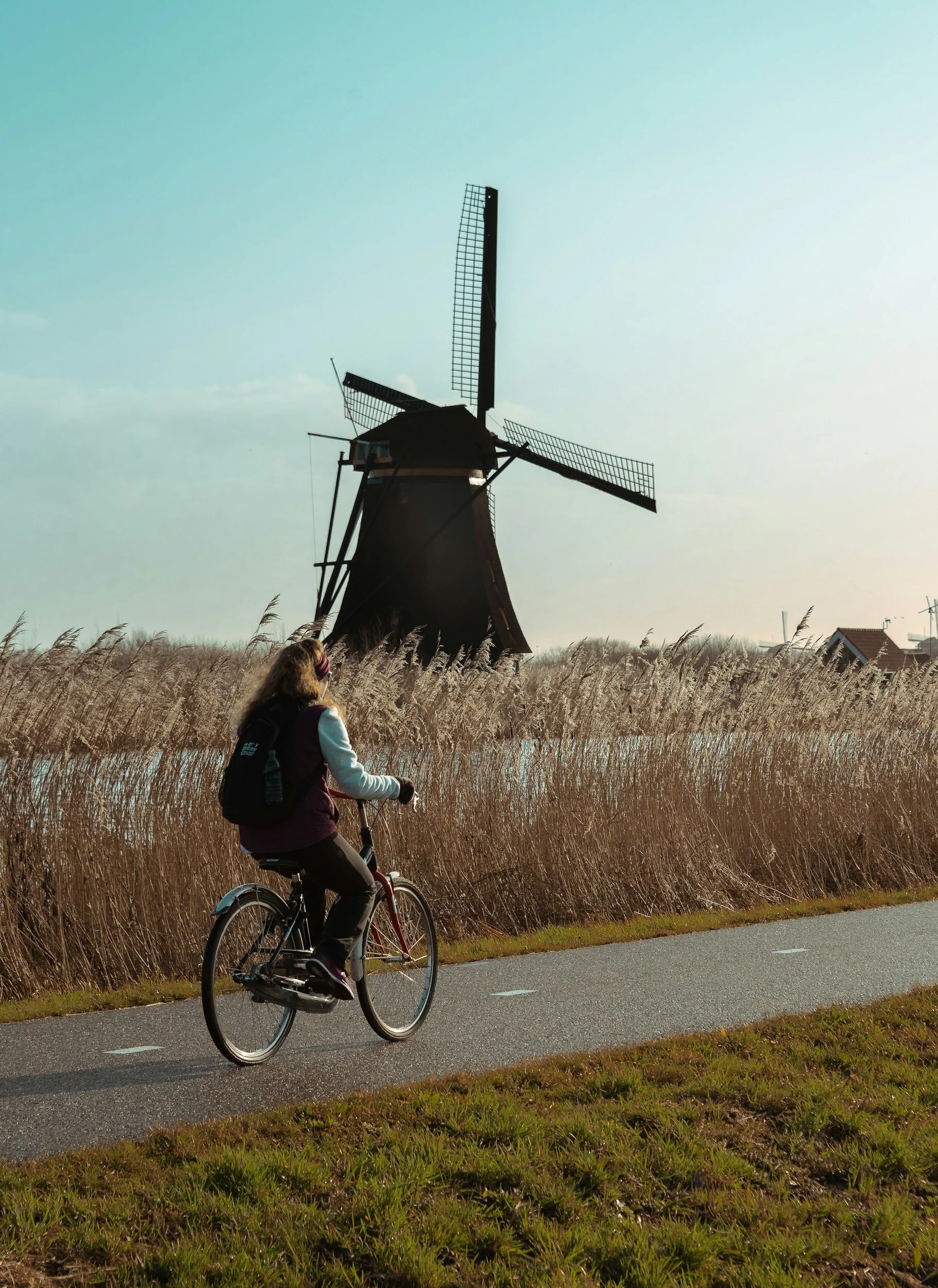
In-Depth Escape — Dutch Countryside
Extend your Dutch countryside escape through wider polder landscapes, rural producers, and longer nature routes.
Launching Spring 2026
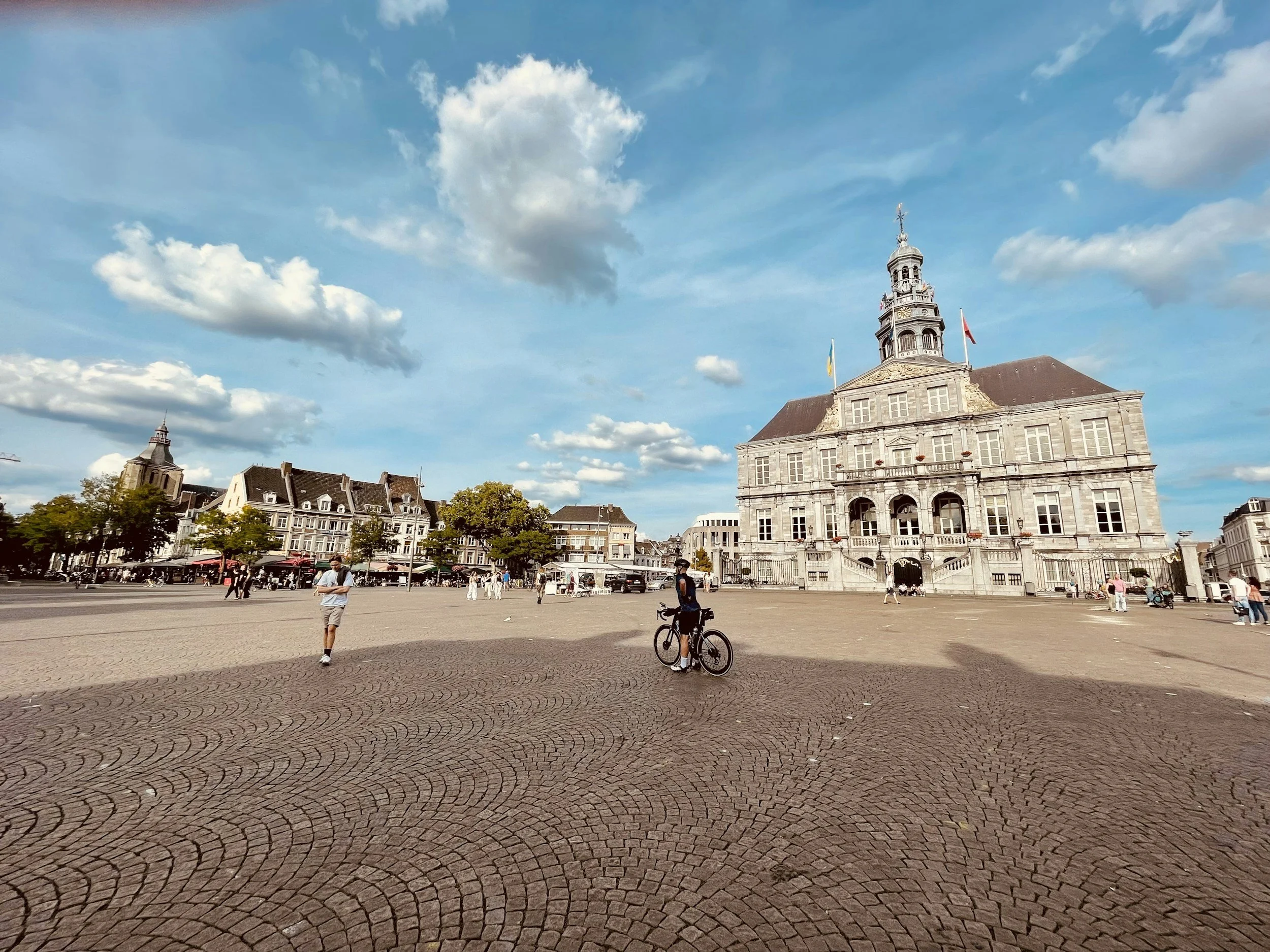
In-Depth Escape — Maastricht Triangle
Extend the borderland experience with forest estates, remote hamlets, and broader cross-country nature corridors.
Launching Spring 2026
FAQ
-
Depending on your itinerary, most guests fly into Brussels (BRU), Amsterdam (AMS), or Düsseldorf (DUS). These hubs offer excellent international connections and sit close to major rail networks.
High-speed trains such as Eurostar, Thalys, and ICE link Brussels, Bruges, Maastricht, Rotterdam, and the Dutch countryside with short, efficient transfers.
Your Trip Doc will explain the best arrival and departure options based on your selected route and the most convenient train connections. -
Summer (June–September) offers the most reliable conditions and the best experience for outdoor travel.
Spring appeals for tulips and fresh landscapes but remains unpredictable—expect variable temperatures and sudden weather changes.
Autumn brings beautiful colors but similar instability.
Your Trip Doc will guide you toward the ideal travel window based on your preferred climate, activities, and regional highlights. -
Terrain across Benelux is very easy overall—flat canal paths, open farmland, dikes, forest lanes, and cobbled heritage towns. Distances are short, gradients minimal, and movement is relaxed and accessible.
The Maastricht Triangle is the only area with more variation: gentle hills, river valleys, and occasional short climbs, still suitable for mixed-level groups.
Transfers are typically brief due to the compact geography. A longer shuttle may be used at the start or end of a trip, but daily logistics remain light and easy.
Your Trip Doc will outline all transfer times based on your itinerary. -
Yes. Benelux is exceptionally well-suited for families, first-timers, and mixed-ability groups thanks to its very gentle terrain, short distances, and highly accessible routes. Most daily activities follow canal paths, quiet countryside lanes, or flat forest tracks, making movement easy and enjoyable for all ages.
The only area with more variation is the Maastricht Triangle, where soft hills and river valleys provide slightly more elevation while remaining manageable for beginners.Cultural stops, cafés, markets, and heritage sites are integrated naturally throughout each day, allowing different energy levels within a group to participate comfortably. Your Trip Doc will help fine-tune pacing and route options to match your group’s preferences.
-
Every journey can be shaped to your preferences. Most guests begin with one of our curated itineraries — you choose the activity level, pace, and travel style, and we tailor the flow and highlights around your group.
If you prefer a fully custom-built trip (unique routing, structure, length, or combinations), this is possible through a separate design process and pricing structure. We will clarify all options before moving forward to ensure the trip matches your vision.
Either way, we work closely with you to create an experience that reflects exactly what you’re looking for.
-
The euro is used across Belgium, the Netherlands and Germany.
The region has become almost cash-free: shops, cafés, transit, and even small vendors rely on card-only payments.
ATMs exist but are less common than in Southern Europe. It is still wise to carry a small amount of cash for rare situations, rural cafés, or artisan stands. -
Benelux has highly changeable weather. Summer is the best overall season, offering the warmest and most stable conditions.
Spring brings tulips in late April to early May, but weather can swing in any direction: bright sunshine, wind, rain, or cooler temperatures—often all in a single day.
Autumn behaves similarly: beautiful colors but unpredictable shifts.
Year-round, expect “four seasons in a day”, with possible cold, wind, and showers even in warmer months.
Your Trip Doc will explain expected temperatures and packing recommendations, including layers, light waterproofs, and comfortable activewear. -
Benelux is one of the most English-spoken regions in the world, especially in Belgium’s Flemish areas and across the Netherlands.
You’ll find strong English proficiency in transportation, hospitality, cafés, museums, and even in most small towns. In rural villages, English may be more basic, but communication remains very easy, and locals make a genuine effort.
Your hosts will also help you learn a few simple local phrases to enrich your experience.